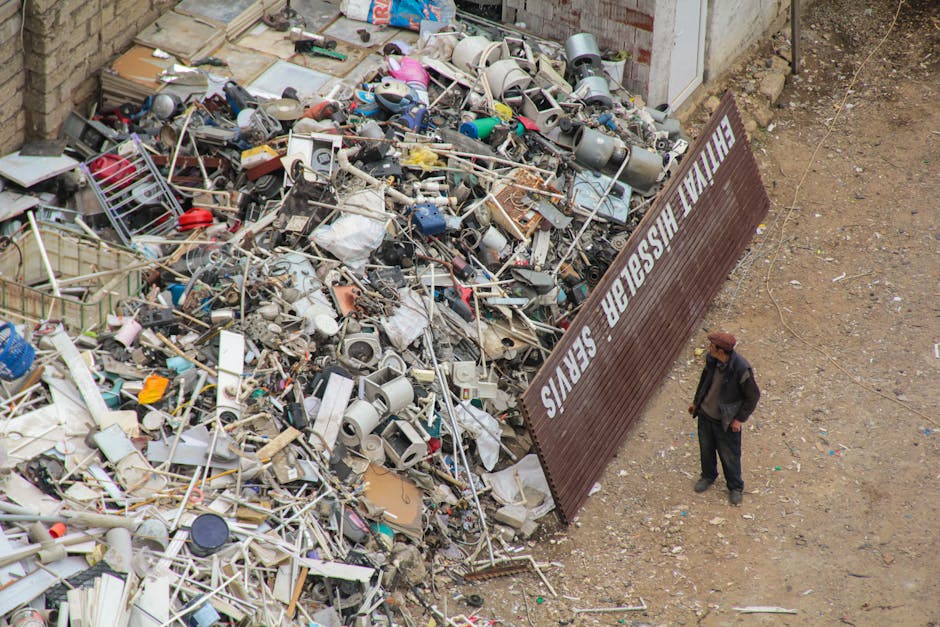
Garden waste and bulky rubbish collection by Hammersmith Bridge
If you have a heap of hedge cuttings, broken fence panels, an old compost bin, or that awkward bulky rubbish that somehow appeared after a weekend clear-up, you are not alone. Garden waste and bulky rubbish collection by Hammersmith Bridge is one of those jobs that feels small at first and then turns into a proper nuisance by Sunday evening. The bags split. The path gets blocked. The smell starts to linger. And suddenly the tidy-up has become the thing you dread.
This guide walks through how collection works, what can usually be taken away, where people get caught out, and how to choose the right approach for your garden, your home, or a mixed clear-out. It is written for real situations, not ideal ones. Because let's face it, most clearances are not perfect little piles lined up like a catalogue shoot.
Table of Contents
- Why this kind of collection matters
- How the collection process works
- Key benefits and practical advantages
- Who it is for and when it makes sense
- Step-by-step guidance
- Expert tips for better results
- Common mistakes to avoid
- Tools, resources and recommendations
- Law, compliance and best practice
- Options and comparison table
- Real-world example
- Practical checklist
- Conclusion
- Frequently asked questions
Why Garden waste and bulky rubbish collection by Hammersmith Bridge Matters
Outdoor clearances create a different kind of mess from everyday household rubbish. Garden waste can be wet, heavy, thorny, muddy, and far bulkier than it first appears. Bulky rubbish adds another layer: old furniture, broken storage, damaged planters, dismantled sheds, worn-out mattresses, or items that are too awkward to leave by the bin and too large to ignore.
Near Hammersmith Bridge, space is often part of the challenge. You may be managing a small garden, a mews courtyard, a basement patio, a shared access route, or a home with limited frontage. That means the main problem is not just removal, but moving everything safely without causing disruption. A smart collection service reduces lifting, clears clutter quickly, and helps stop waste from sitting around for days.
There is also a sustainability angle. Mixed garden and bulky waste should be handled carefully so recyclable material is separated where possible. Green waste, timber, metal, cardboard, and reusable household items all have different routes. If everything is dumped into one unmanaged pile, much of that value is lost. A proper collection process is cleaner, faster, and far more responsible.
Expert summary: The best garden waste and bulky rubbish collection is not simply about lifting things away. It is about sorting, safe handling, access planning, and choosing the most sensible route for reuse, recycling, or disposal.
If your clearance is part of a broader project, it can also make sense to look at related services such as garden clearance, waste removal, or even home clearance when the job stretches beyond the outdoor space. Sometimes the tidy-up starts in the garden and ends in the loft. That happens more than people admit.
How Garden waste and bulky rubbish collection by Hammersmith Bridge Works
The process is usually straightforward, but a little planning goes a long way. The collection team will typically want to know what needs removing, how much there is, where it is stored, and whether there are access issues. A quote is usually based on volume, type of waste, labour involved, and how easy it is to load the items.
For garden waste, common loads might include branches, hedge trimmings, grass cuttings, soil in limited quantities, old pots, broken trellis, turf, and rotting wood. Bulky rubbish might include tables, chairs, shelving, sheds in pieces, old outdoor storage boxes, broken children's play equipment, or mixed household items from a garage or garden room.
One useful detail: green waste and bulky waste are often best handled together only when the provider can sort the load properly. That means you do not need to spend hours dividing every item before collection, but you should still point out anything unusual. Wet soil, paint tins, electrical items, and sharp materials can change how the job is managed.
A typical collection process looks something like this:
- You describe the waste and share a rough idea of the size of the load.
- The team assesses access, parking, and any stairways, narrow passages, or shared entrances.
- A price or estimate is provided based on the details you give.
- The team arrives, loads the waste, and clears the area.
- Items are taken for appropriate disposal, recycling, or onward handling.
If your clearance involves damaged furniture, old outdoor seating, or worn sofas brought outside during a garden reorganisation, useful related pages include furniture clearance, furniture disposal, and mattress and sofa disposal. That can be handy if the outdoor job is really part of a larger declutter.
Booking matters too. If the mess is already making it hard to use the garden, a same-day or quick turnaround can be a real relief. You know that feeling when you keep stepping around the same broken planter? It gets old fast.
Key Benefits and Practical Advantages
The main benefit is obvious: the clutter disappears. But there is a lot more going on beneath the surface.
- Less lifting and strain: Garden waste bags and bulky items are heavier than they look, especially after rain.
- Faster turnaround: A tidy garden can be reclaimed in hours rather than dragged out over a weekend.
- Better use of space: Removing old items opens up patios, side returns, sheds, and storage corners.
- Cleaner presentation: This matters if you are preparing a property for sale, letting, or family visits.
- Reduced risk of injury: Broken wood, rusted metal, glass, thorns, and hidden nails are not forgiving.
- More responsible disposal: Good providers separate waste streams where possible.
There is also a quieter benefit: mental space. A cluttered garden has a way of staying in your head. You glance at it from the kitchen window and think, "I'll deal with that next week." Then next week becomes next month. Once the waste is gone, the space feels useful again. A bit more breathable. A bit calmer.
For larger jobs, a broader clearance plan can be helpful. If the outdoor waste is part of a bigger property project, pages such as house clearance, flat clearance, or garage clearance may be relevant alongside garden collection. That is often the point where a one-off tidy-up becomes a real reset.
Who This Is For and When It Makes Sense
This kind of collection is useful for all sorts of people, not just homeowners with large gardens. In practice, the most common situations are fairly ordinary.
- Residents clearing hedge cuttings, branches, and old outdoor furniture after maintenance work
- Landlords preparing a garden between tenancies
- Homeowners dealing with a shed, summerhouse, or patio clear-out
- Busy families who have not had time to remove bulky garden junk properly
- People handling probate, inherited property, or a long-overdue reset
- Small businesses, studios, or offices with outdoor storage or communal external areas
It also makes sense when the waste is mixed. For example, a Saturday garden overhaul might produce branches, a broken bench, a cracked plant stand, and an old barbecue. That is not just green waste. It is mixed bulky rubbish too. Managing it all separately can be tedious, and to be fair, most people would rather get the job done than spend the day sorting different bins.
If the clear-out is happening alongside office changes, stockroom rearranging, or a commercial premises refresh, you may also want to explore office clearance or business waste removal. Different setting, same basic headache: too much stuff, not enough time.
Step-by-Step Guidance
Here is a practical way to handle garden waste and bulky rubbish without the usual chaos.
- Walk the space properly. Do a full check of the garden, side access, shed, and any hidden corners. You will nearly always find one extra thing.
- Separate the obvious hazards. Keep broken glass, exposed nails, syringes, chemicals, or leaking containers apart from the general pile.
- Group items by type. Green waste, timber, metal, furniture, and general rubbish are easier to assess when grouped.
- Measure access. Note gate width, steps, parking restrictions, and any tight turns. This saves time on the day.
- Take a few photos. A clear image often helps with a more accurate quote.
- Ask about loading and disposal. It is sensible to understand how reusable or recyclable material will be managed.
- Prepare the route. Move cars, open gates, and clear fragile items from walkways.
- Confirm what will stay. This is more important than people think. One small planter left behind can cause a needless delay.
A small but useful tip: if the weather has been wet, allow extra time for weight. Soaked branches, muddy turf, and damp cardboard can be much heavier than they appear. That old "it'll be fine, it's only a few bags" line has trapped more than one person. Happens all the time.
If you are unsure what can go into a mixed load, a page like what can go in a skip can be a helpful reference point for understanding common waste categories, even if you are not booking a skip itself. It is a practical way to sanity-check the load before collection.
Expert Tips for Better Results
Good clearances tend to run on small details. Here are the ones that make the biggest difference in real life.
- Don't overfill sacks. Split very heavy green waste into manageable bags. Your back will thank you.
- Leave loose branches exposed. Bundled cuttings are easier to lift than tangled piles hidden under tarps.
- Keep soil separate where possible. Soil changes the weight profile quickly and may affect handling.
- Flag awkward items early. A broken trampoline frame, rusty shed panel, or heavy garden ornament can alter labour needs.
- Plan for noise and access. Outdoor clearances often involve scraping, lifting, and repeated trips. It is normal, not a problem.
- Think in zones. Clear the nearest items first so the team can work safely from the access point inward.
Another practical point: if you are combining garden waste with renovation leftovers, it may be worth checking builders waste clearance. Broken tiles, plasterboard, timber offcuts, and exterior fixings do not belong in the same mental box as hedge clippings, even though they often end up beside each other on the lawn. Human beings are very good at making one pile out of four different jobs.
And yes, if you are doing this on a warm afternoon, do not underestimate the smell of old compost, damp wood, and leaf mould once it starts moving. That is the moment most people decide the job should have been booked earlier.
Common Mistakes to Avoid
Most clearance problems come from rushing the prep. Not from the collection itself.
- Mixing prohibited items into the load: Hazardous materials, chemicals, and certain electricals need special handling.
- Underestimating volume: A "few bags" often turns into a half-garden once you start pulling things out.
- Ignoring access issues: A narrow side gate or awkward flight of steps can slow everything down.
- Leaving sharp edges uncovered: Broken timber and rusty metal should not be left exposed where people walk.
- Assuming every provider handles the same waste: Some items need separate routes, and some providers will not touch them.
- Forgetting about the aftermath: Once the waste is gone, you may still need sweeping, washing down, or a quick repair.
One especially common mistake is treating bulky rubbish like ordinary black-bag waste. It is not. A rotten garden chair, an old parasol base, or a dismantled shed panel might be light enough in isolation, but the whole load can become clumsy very quickly. The awkwardness is the real issue, not just the weight.
If the job includes items that could fall into a specialist category, such as a broken appliance left in a garden office or a discarded fridge from an outdoor kitchen, consider fridge and appliance removal. If there are contaminated or potentially risky materials, hazardous waste disposal is the safer route. Better to ask than guess. Always.
Tools, Resources and Recommendations
You do not need a warehouse of equipment, but a few simple tools make the job far easier.
- Heavy-duty sacks: Useful for leaves, small cuttings, and lighter mixed waste.
- Gloves with grip: Garden waste is rarely clean or predictable.
- Secateurs or loppers: Helpful for reducing oversized branches before collection.
- Tarp or sheet: Good for gathering debris into one place without making a bigger mess.
- Shovel and brush: Essential for soil, compost spillages, and debris left on paving.
- Bin liners or reusable tubs: Handy for small mixed items.
In terms of service selection, it is worth comparing the type of clearance you actually need. A garden-only load is different from a whole-property clearance or furniture-heavy job. For example, an outdoor reset may sit neatly alongside recycling and sustainability if you want a provider that thinks carefully about sorting and diversion from landfill. That is not just a nice extra; it often shapes the quality of the service.
You may also want to review pricing and quotes if you are comparing options, and insurance and safety if you want extra reassurance on who is handling the work. Small things, but important ones.
For larger domestic clearances, especially when the garden work becomes part of a full interior reset, loft clearance and garage clearance can fit into the same overall plan. One job becomes two, then three. It is strangely common.
Law, Compliance and Best Practice
Waste handling in the UK should always be approached carefully. You do not need to become a compliance expert, but you should expect any provider to manage waste responsibly and keep clear standards around sorting, transport, and disposal.
From a practical point of view, the key best-practice principles are simple:
- Keep hazardous items separate from general waste.
- Do not mix chemicals, asbestos-risk materials, oils, or unknown liquids into garden or bulky loads.
- Use a provider that can explain how waste is handled.
- Make sure access and loading are safe for workers and residents.
- Prefer reuse and recycling where it is realistic and lawful to do so.
If you are clearing a property with mixed waste streams, the safest approach is always to identify anything unusual before collection day. That includes batteries, paint, treated timber, electricals, and anything that seems damp, leaking, or suspicious. When in doubt, isolate it. No drama, just better practice.
For customers who value transparency, it is also worth reviewing pages such as health and safety policy, terms and conditions, and payment and security. They do not change the garden, obviously, but they do help you understand how the service is run.
That kind of clarity matters. Especially when the job involves a narrow path, a shared courtyard, or a load that is heavier than it first looked. Safety first. Then speed.
Options, Methods, or Comparison Table
If you are deciding how to get rid of garden waste and bulky rubbish, you normally have three practical routes: leave it for council-style collection where available, hire a skip, or book a man-and-van style clearance. The best option depends on volume, access, and how hands-on you want to be.
| Option | Best for | Pros | Trade-offs |
|---|---|---|---|
| Booked collection service | Mixed garden waste and bulky items | Less lifting, fast clear-up, good for awkward access | Needs a clear description of the waste |
| Skip hire | Longer projects with steady waste production | Handy if the waste will build over several days | Takes space; loading must follow the skip rules |
| DIY disposal | Very small loads | Can suit minor tidy-ups | Time-consuming, physical, and easy to get wrong |
For many people near Hammersmith Bridge, the booked collection route is the most practical. Why? Because access can be fiddly, waste may be mixed, and time is usually tight. If you have a narrow entrance and a pile of hedge trimmings on one side plus broken outdoor furniture on the other, a flexible collection is often simpler than managing a skip yourself.
If you are still weighing it up, the page on book online is a sensible next stop when you are ready to move from planning to action.
Case Study or Real-World Example
A typical example goes like this. A homeowner finishes a spring tidy-up and ends up with three large bags of green waste, a dismantled shed shelf, an old broken chair, a rusted plant stand, and a stack of wood offcuts from a patio project. Nothing dramatic. Just enough to make the garden look half-finished and slightly tired.
The first instinct is usually to "deal with it next weekend". But the waste sits there, the weather turns damp, and the bags start sinking into the lawn. One of the boards gets sharp on the edge. A child nearly catches a sleeve on it. That is often the moment people decide to book a collection.
On the day, the useful part is not just the lifting. It is the order of operations. The light green waste is cleared first, then the awkward timber pieces, then the furniture. The route back through the property is checked so no mud gets tracked into the hallway. By the end, the patio is visible again, the air smells fresher, and the space can actually be used.
That last bit matters more than people expect. A tidy garden is not just tidy. It becomes part of everyday life again.
If the same property also has internal clutter, it may be worth pairing the outdoor job with furniture disposal or even house clearance. A coordinated approach often saves time and stops the work from dragging on for weeks.
Practical Checklist
Use this before collection day. It keeps the job neat and avoids those irritating little delays.
- Walk the whole garden and identify every item to be removed.
- Separate hazardous or suspicious waste immediately.
- Group green waste, timber, furniture, and general rubbish.
- Check whether access gates, side paths, or parking spaces are clear.
- Take photos if you want a more accurate quote.
- Confirm whether soil, rubble, or wet waste is included.
- Move fragile items away from the loading route.
- Decide what stays behind so there is no confusion.
- Make sure someone is available if access needs opening.
- Have a broom or brush ready for a quick final sweep.
Quick reminder: if the waste includes unusual items, mention them early. A minute of honesty saves a lot of back-and-forth later.
Conclusion
Garden waste and bulky rubbish collection by Hammersmith Bridge is at its best when it feels calm, organised, and safe. The right approach removes the clutter without creating new problems, and it gives you back a space that feels usable again. That is the real win. Not just disposal, but relief.
Whether you are clearing storm-blown branches, old patio furniture, shed leftovers, or a mixed load that has grown into something bigger than expected, a thoughtful collection service can make the process surprisingly straightforward. The key is to describe the load clearly, prepare access properly, and choose a provider that handles waste with care rather than haste.
If you are ready to sort the mess properly, compare your options, review the practical details, and take the next step with confidence. A clean garden has a way of improving everything around it, even on a grey London morning.
Get a free quote today and see how much you can save.
And once it is all gone, take a moment. Stand in the cleared space for a second. You will notice how different it feels.
Frequently Asked Questions
What counts as garden waste in a collection?
Garden waste usually includes grass cuttings, hedge trimmings, branches, leaves, plants, weeds, small roots, old soil in limited amounts, and broken outdoor timber. If in doubt, describe the item rather than guessing. It is much easier that way.
Can bulky rubbish and garden waste be collected together?
Yes, often they can. A mixed load with branches, broken furniture, and garden clutter is very common. The important thing is to mention the mix upfront so the collection can be planned properly.
Do I need to sort everything before collection?
You do not usually need to organise it into museum-quality categories, but basic sorting helps. Keep hazardous items separate and group similar waste where you can. It speeds things up and reduces confusion.
What if my garden waste is wet or heavy?
Wet waste is heavier than most people expect. Damp soil, soggy branches, and rain-soaked bags can change the handling requirements quite a bit. It is worth flagging this when booking.
Is soil or turf accepted with garden waste?
Often yes, but quantities and handling can vary. Soil and turf are heavier than general green waste, so they may be treated differently. Always check before loading large amounts.
Can you remove an old shed or broken fence panels?
In many cases, yes. Dismantled sheds, fence panels, trellis, and timber offcuts are all common bulky garden items. If the structure is still standing, it may need dismantling first.
What should I do with hazardous garden items?
Separate anything that may be hazardous, such as paint, chemicals, oils, sharp glass, or unknown containers. These should not be mixed into a regular green or bulky waste load. Safer to isolate them straight away.
How do I prepare access for collection?
Clear gates, move cars if needed, unlock side entrances, and remove anything fragile from the route. A few minutes of prep can make a noticeable difference, especially where access is tight.
Is this better than hiring a skip?
It depends on your project. A collection service is often better for mixed waste, awkward access, and quick clearances. A skip can suit longer jobs where waste builds gradually. There is no single winner for every situation.
What happens to the waste after it is collected?
Good practice is to sort waste for appropriate disposal, recycling, or reuse where possible. Green waste, wood, metal, and reusable items may follow different routes depending on what the load contains.
How can I get an accurate quote?
Give a clear description of the items, share rough volume estimates, and mention access issues, parking, or stairs. Photos are useful too. The more practical detail you provide, the better the quote tends to be.
Can a collection include items from a garage or loft as well?
Yes, if the waste is part of a wider clearance. Many people combine outdoor waste with garage, loft, or house items so they can deal with everything at once. It is usually less stressful overall.
Where can I learn more about the company and its standards?
You can review the company's about us page, along with its policy pages such as health and safety, recycling and sustainability, and terms and conditions. Those details help build trust before you book.