Business waste removal in Hammersmith
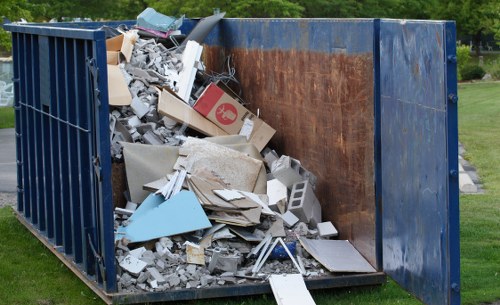
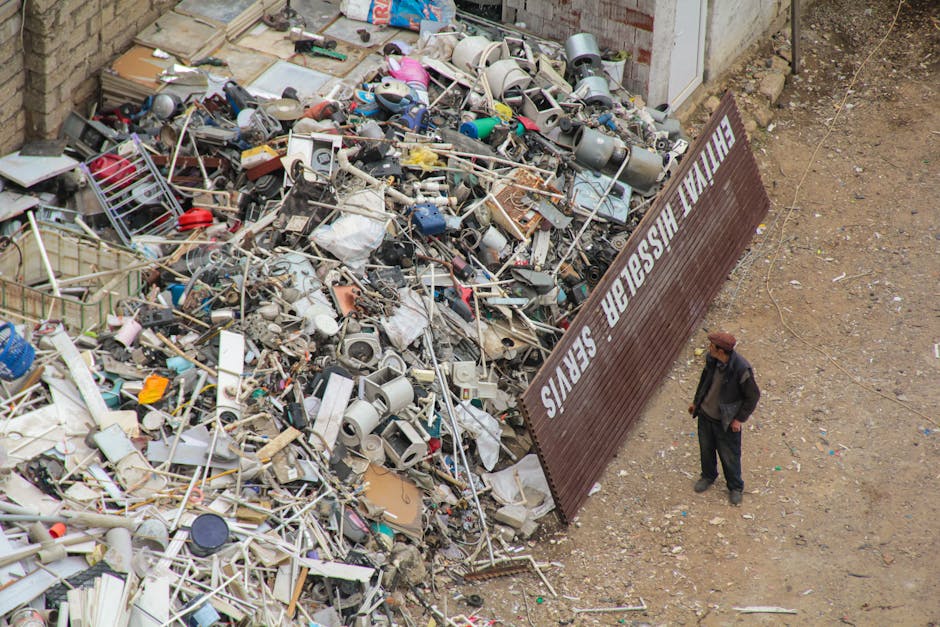
Business waste removal in Hammersmith needs a clear, practical approach, and our service is built around separating commercial waste into the right streams and taking it away with minimal disruption. Whether you are clearing everyday office rubbish, old stock, redundant fixtures or mixed work-area waste, we provide a straightforward collection service that keeps the process organised. The emphasis is on safe handling, sensible sorting and a result that leaves your premises easier to manage.
For offices, shops, studios, workshops and managed premises, we can remove a wide range of non-hazardous business waste. Typical collections may include paper-based waste, packaging, shelving, broken furniture, redundant office items and general clutter from storage areas. We also deal with bulky pieces that are difficult to move through tight corridors or lift spaces, using an approach that aims to keep daily operations moving while the clearance takes place.
If you need a quotation, tell us what needs removing and how much there is, and we can help you plan the collection. Start with a simple list of items, approximate quantities and any access details that may affect loading. If the job involves several rooms, loading bays or shared entrances, it is useful to mention that early so the collection can be organised properly. Plain, accurate information is usually the best way to get a suitable estimate.
Commercial waste collections for day-to-day premises
Regular commercial waste collections can help keep desks, stockrooms and back-of-house areas under control without letting waste build up between clearances. Our business waste removal service in Hammersmith is suited to occasional clear-outs as well as one-off collections after reorganising a work area. We focus on items that are awkward, bulky or no longer needed, rather than routine bin services. That makes the service useful for firms that are refreshing furniture, reducing stored surplus or emptying rooms that have reached capacity.
Different premises often produce different waste types, so it helps to think about what is being removed before the collection is arranged. An office might have folders, IT peripherals, monitors, shelving and chairs, while a retail unit could have display equipment, packaging and unwanted stock. We can remove mixed loads where practical, and sorting the items in advance can make the process smoother. For some jobs, it is sensible to separate reusable items from general waste so they can be handled in the most appropriate way.
What commercial clients often clear
Common items include workstations, cabinets, desks, filing units, meeting-room furniture, mixed bagged rubbish, packaging materials and surplus items from storage areas. Some clients only need a single room cleared, while others want larger sections of a building emptied before a refit or handover. The service is designed to handle a practical range of business waste, and the exact plan depends on the size, weight and condition of the items involved.
Office waste, furniture and fit-out leftovers
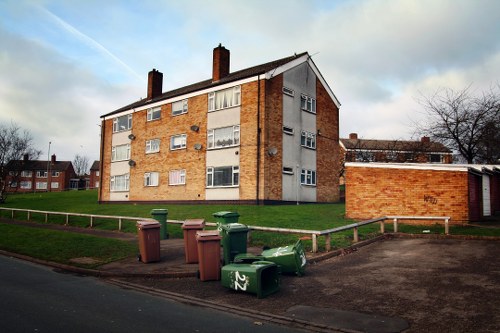
Office waste removal often requires more than simple lifting, because many workplaces contain a blend of paper, electronics, storage furniture and general clearance items. Our office waste removal service can be used when desks are replaced, departments are reorganised or unwanted equipment has accumulated in cupboards and storage rooms. We can also remove items left behind after office changes, helping you return floorspace to a usable condition without leaving loose rubbish behind.
Where furniture is involved, careful handling matters because bulky items can block corridors and damage walls if they are moved without planning. Chairs, reception seating, tables and cabinets may all need different handling depending on where they are located and how they are built. In some cases, it is sensible to think about dismantling larger pieces before collection; in others, intact removal is the better option. The aim is to choose the simplest practical method for the site and the items.
If you are comparing options, it is worth looking at the scope of the collection as well as the type of waste. Our office clearance page covers more of the space-emptying work that can sit alongside a waste collection, while our furniture clearance service is useful when the main issue is bulky desks, seating or storage units. For items that are no longer fit for use, the furniture disposal page explains the disposal side of the process in more detail.
Handling bulky items, appliances and specialist waste
Some business waste cannot be dealt with as ordinary rubbish because it is heavy, awkward or made from materials that need particular care. Fridge and appliance removal may be needed in canteens, staff kitchens or hospitality settings, while older office equipment can include items that are difficult to move safely through limited access. We can remove bulky loads where they are already identified and suitable for collection, helping reduce the amount of storage waste taking up valuable space.
Specialist items should be considered carefully before collection is arranged. Certain waste streams, such as hazardous materials, may need a separate route and a different handling method from general commercial rubbish. If your premises include materials that need extra care, it is better to flag them clearly rather than mix them in with standard items. That keeps the process safer and helps avoid delay when the collection is carried out. A good quotation depends on an honest description of what is present.
Useful preparation does not need to be complicated. Group similar items together where possible, identify anything especially heavy or fragile, and make sure access routes are clear enough for safe movement. If the collection is from an upper floor, basement or shared building, note whether lifts, stairs or waiting restrictions are involved. A short written inventory can be enough for many jobs, and it is often more practical than sending long explanations.
Waste types and clearance choices for business premises
Business waste removal is often easiest when the right service is matched to the main material type. Some clients only need mixed junk taken away, while others have a more defined category, such as office furniture, appliances or storage-room contents. Choosing the most suitable route helps keep the job efficient and can make it easier to describe the collection accurately when requesting a quotation. The clearer the category, the simpler it is to plan the removal.
Our service can support a range of commercial clearances, and related pages give more detail on specific categories. If the job includes mixed building-related debris from a refurbishment, the builders waste clearance page may be relevant. If you are clearing stock and non-business domestic-type items from a workspace that has doubled as storage, home clearance and house clearance describe wider clearance options, while flat clearance may suit smaller property clearances that overlap with business storage use.
For bulky household-style items that have ended up in a workplace setting, mattress and sofa disposal gives a more focused route. When the items are no longer wanted but still structurally sound, sorting them from general waste can be worthwhile. Accurate categorisation helps you decide what should go into the collection and what may need a separate treatment path.
About Hammersmith
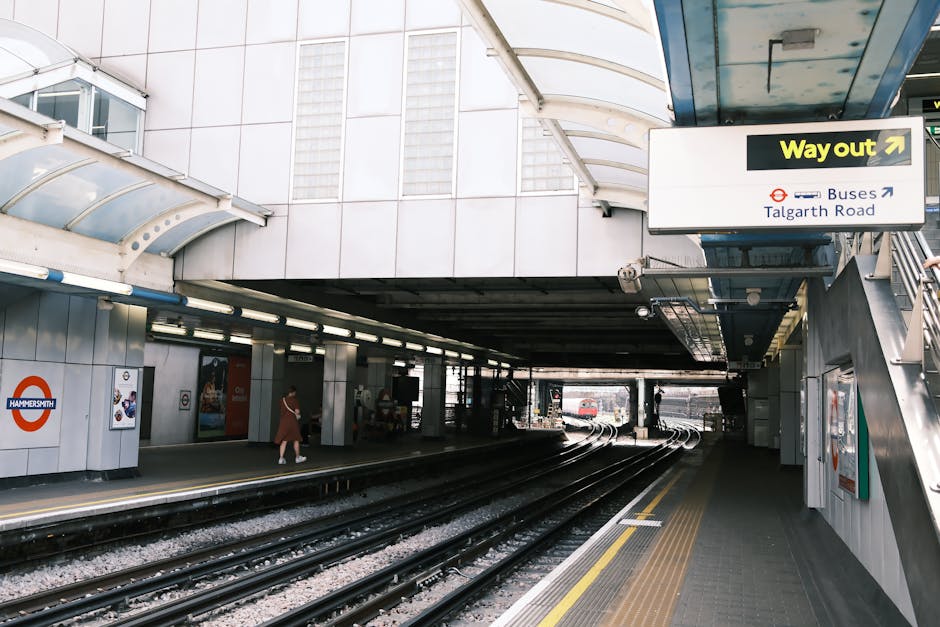
Hammersmith is a riverside district in west London, part of the London Borough of Hammersmith and Fulham, and it has long been shaped by movement, trade and transport. The area sits on the north bank of the River Thames and has strong connections with the riverfront at Hammersmith Bridge, which has become one of its best-known landmarks. Roads and tube links have also made it an important junction in west London, with Hammersmith Broadway forming a busy focal point for buses and Underground travel. The district includes a mix of commercial streets, older residential neighbourhoods and cultural venues, so its character changes noticeably from one part to another. Historically, the river setting supported boating, riverside inns and later urban development, while the 19th and 20th centuries brought theatres, offices and dense housing. Today, the area is also associated with performance and media, especially around the Lyric Theatre and the wider Broadway centre. Riverside walks, local parks and nearby open spaces add a quieter side to the district, while the built environment ranges from Victorian terraces and mansion blocks to modern office and retail buildings. This combination of old and new gives Hammersmith a layered townscape, with the Thames, major transport routes and public buildings all contributing to its identity. Its position between central London and the western suburbs has made it a busy, well-connected place for generations, and that is reflected in the variety of streets, venues and public spaces found there.
Clearance planning and practical access
Commercial waste collections work best when access is considered in advance, especially in busy premises where loading time is limited or where staff and visitors still need to use the building. If the waste is spread across several rooms, it can help to identify the heaviest items first and decide which areas need to be cleared before collection day. This reduces confusion on site and makes it easier to estimate the scale of the job. For many businesses, the main concern is not the waste itself but how to remove it without interrupting work.
In some buildings, access is straightforward; in others, there may be steps, narrow doors, restricted parking or a need to pass through shared spaces. Mentioning these points early helps the collection be organised around the layout rather than against it. If you have photographs, they can help with larger or mixed jobs, though a simple list of items is often enough for smaller clearances. Good preparation is mostly about clarity, not complexity, and that applies whether the waste is in a storeroom, office suite or back-of-house area.
When a clearance involves several types of material, we can usually work from the most prominent items outward, starting with bulky pieces and then removing smaller loose waste. That keeps the site easier to manage during the collection. If you are not sure which items belong together, describe them as plainly as possible and leave the sorting decisions to the quotation stage. A concise enquiry is often the quickest route to a useful estimate.
Recycling, sorting and responsible disposal
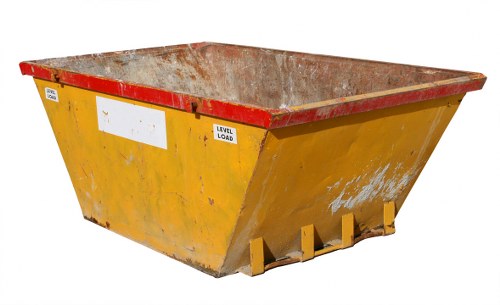
A well-run business waste removal service should do more than simply load items and leave. Sorting the contents of a collection can help direct suitable materials into the right disposal route, which is especially useful when a job contains a mix of paper, metal, timber, plastics and furniture. Different item types can require different treatment, so the way the waste is separated before or during collection matters. The more clearly a load is described, the easier it is to handle sensibly.
Where items are suitable for onward processing, they should be kept distinct from general rubbish whenever practical. Offices and commercial premises often generate cleaner material streams than domestic clear-outs, which means packaging, files and some fixture components can sometimes be managed in a more structured way. We also consider whether a collection includes items that are purely waste or items that may need a different handling process because of their size or material. That careful approach supports better disposal choices overall.
If you want to understand our wider approach, the recycling and sustainability page explains how we think about sorting and disposal in more detail. For sensitive paper-based material, confidential shredding may be the more suitable option, while the hazardous waste disposal page should be used for materials that cannot be dealt with as standard business rubbish. Please contact us to discuss the safest route for your collection.
How to request a quotation
To request a quotation, it helps to describe the main items, the approximate volume, the location within the building and any access issues that might affect collection. A short message is often enough when the job is straightforward, but a more detailed note can be useful for larger clearances. If there are multiple item types, you can group them by room or by category. That makes it easier to understand the work and gives a more useful estimate from the start.
For pricing enquiries, our pricing and quotes page is a good place to begin. If you want to arrange a collection directly, you can also use book online to move the process forward. A final check of access, item list and preferred timing will usually make the quotation stage more straightforward. Send the details that matter most first, and add anything else that could affect loading or handling.
When you are ready, ask for a quotation and we will help you plan the business waste removal in Hammersmith. If you would like to speak to us about a specific load or a larger workplace clearance, please get in touch and request a quote today.